
Hume subtitled his first book 'an attempt to introduce the experimental method of reasoning into moral subjects', and he meant it literally: as Newton had explained the heavens by a few observed principles, Hume would explain belief, emotion and morality by a few principles of the mind. Book I, Of the Understanding, begins by dividing all perceptions into vivid impressions and fainter ideas, and holds that every simple idea is copied from a prior impression.
Author
David Hume
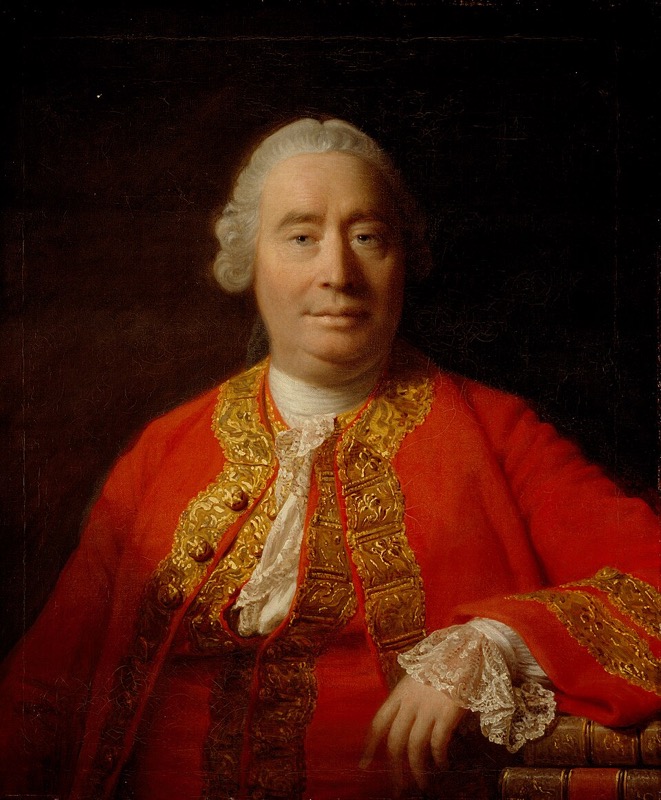
Frequently Cited
“I never can catch myself at any time without a perception, and never can observe any thing but the perception”
“Reason is, and ought only to be the slave of the passions, and can never pretend to any other office than to serve and obey them”
“It is not contrary to reason to prefer the destruction of the whole world to the scratching of my finger”
Hume first published this book in 1748 as Philosophical Essays Concerning Human Understanding, and gave it its present title in 1758. It is his deliberate second attempt at the material of Book I of the Treatise, written, he said, so that the argument would no longer fail through its manner.
Modelled on Cicero's On the Nature of the Gods, Hume's Dialogues are narrated by Pamphilus, a young man, to his friend Hermippus, and report a conversation at the house of Pamphilus's tutor, Cleanthes. Three speakers debate not whether God exists, which all profess to accept, but what can be known of God's nature by reason.