
A Midsummer Night's Dream begins in Athens with a legal crisis: Egeus demands that Hermia marry Demetrius, while Hermia loves Lysander and faces punishment under Theseus's law. The lovers flee into the wood, followed by Demetrius and Helena, and the play transfers civic conflict into a night world governed by Oberon, Titania, Puck, and the flower whose juice alters desire.
Author
William Shakespeare
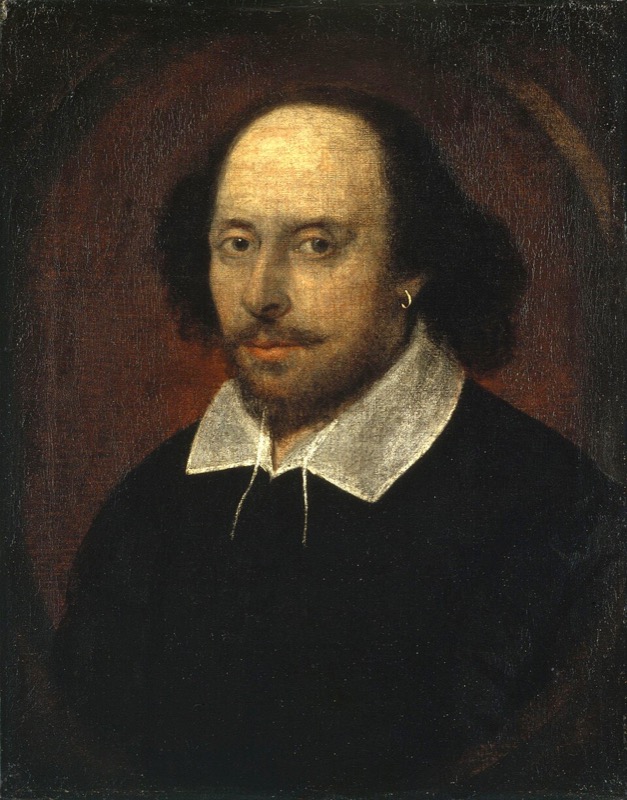
Frequently Cited
“The course of true love never did run smooth”
“Some are born great, some achieve greatness, and some have greatness thrust upon ’em”
Twelfth Night begins with shipwreck, loss, and disguise. Viola believes her brother Sebastian drowned, enters Illyria as Cesario, and serves Duke Orsino, who sends her to woo Olivia.
King Lear begins with a political and familial error: Lear divides Britain according to a public love test, accepts the fluent flattery of Goneril and Regan, rejects Cordelia's plain truth, and banishes Kent for trying to correct him. The abdication leaves Lear with the name of king but without the substance of rule, and the tragedy strips away retinue, shelter, authority, sanity, and finally family.
Macbeth opens on a Scottish heath where three witches plan to meet Macbeth. Returning from victory over rebels and Norwegian invaders, Macbeth and his fellow general Banquo meet the witches, who hail Macbeth as Thane of Glamis, Thane of Cawdor and future king, and tell Banquo that his descendants will be kings.