
De Anima asks what soul is by beginning with the observable powers of living things. Aristotle reviews earlier accounts from thinkers such as Democritus, Empedocles, Anaxagoras, and Plato, then rejects explanations that make soul either a wandering body, a harmony, or a separate passenger inside the organism.
Author
Aristotle
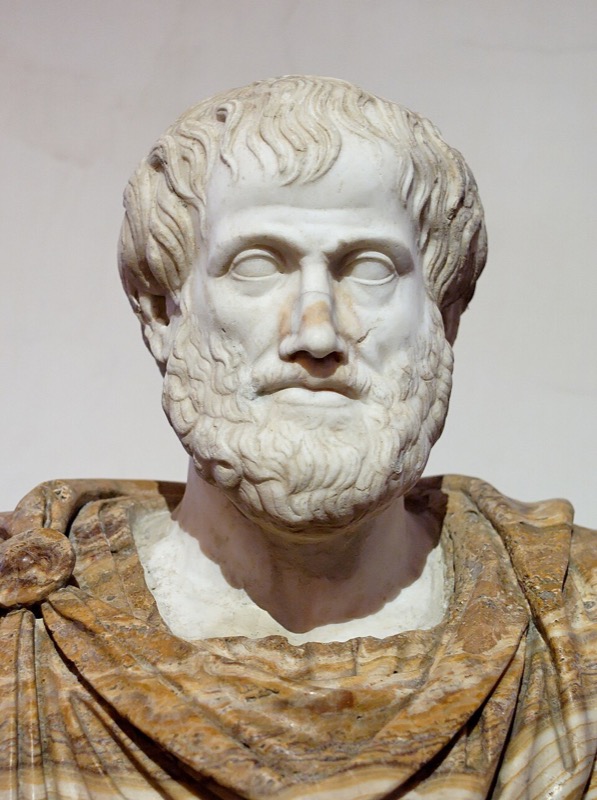
Frequently Cited
“for as it is not one swallow or one fine day that makes a spring, so it is not one day or a short time that makes a man blessed and happy”
Politics examines the polis as the community ordered toward living well. Aristotle begins with the household, including relations of master and slave, husband and wife, parent and child, and then argues that the city exists by nature because human beings possess speech about justice and advantage.
The Nicomachean Ethics asks what the human good is and how a life can be shaped toward it. Aristotle begins from the idea that every craft, inquiry and action aims at some good, and that the highest practical good is eudaimonia, often translated happiness or flourishing.