
On Liberty asks what limits there are on the power society may legitimately exercise over the individual. Mill opens by observing that the old struggle between subjects and rulers has been transformed by democracy.
Author
John Stuart Mill
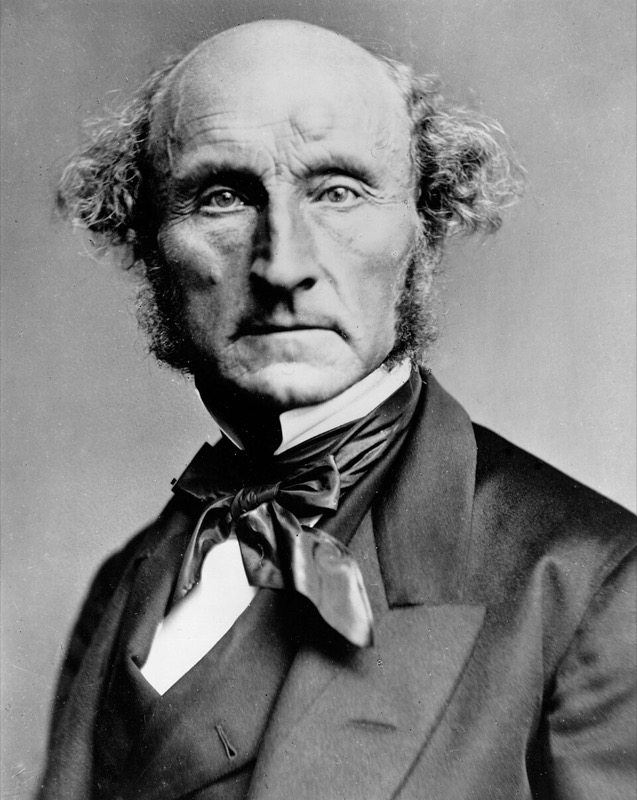
Frequently Cited
“That principle is, that the sole end for which mankind are warranted, individually or collectively, in interfering with the liberty of action of any of their number, is self-protection”
“Over himself, over his own body and mind, the individual is sovereign”
“If all mankind minus one, were of one opinion, and only one person were of the contrary opinion, mankind would be no more justified in silencing that one person, than he, if he had the power, would be justified in silencing mankind”
“The creed which accepts as the foundation of morals, Utility, or the Greatest Happiness Principle, holds that actions are right in proportion as they tend to promote happiness, wrong as they tend to produce the reverse of happiness”
“It is better to be a human being dissatisfied than a pig satisfied; better to be Socrates dissatisfied than a fool satisfied”
Utilitarianism is a short defence of the ethical theory Mill inherited from Jeremy Bentham and his own father. It was first published in three instalments of Fraser's Magazine in 1861 and as a book in 1863.