.jpg)
The Principles of Psychology is a two-volume, 1,400-page textbook that William James spent twelve years writing for Henry Holt's American Science Series. It sets out to treat psychology as a natural science of mental life, studying feelings, desires, cognitions and decisions together with their bodily conditions, while refusing to reduce the mind to physiology or to dissolve it into atoms of sensation.
Author
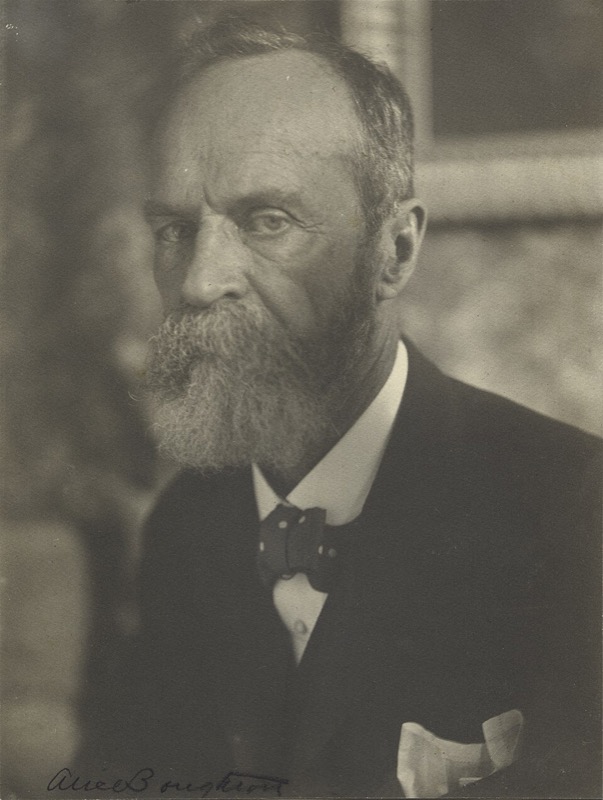
William James
Frequently Cited
“Psychology is the Science of Mental Life, both of its phenomena and of their conditions”
“Habit is thus the enormous fly-wheel of society, its most precious conservative agent”
“The baby, assailed by eyes, ears, nose, skin, and entrails at once, feels it all as one great blooming, buzzing confusion”
“By their fruits ye shall know them, not by their roots”
“the feelings, acts, and experiences of individual men in their solitude, so far as they apprehend themselves to stand in relation to whatever they may consider the divine”
“our normal waking consciousness, rational consciousness as we call it, is but one special type of consciousness, whilst all about it, parted from it by the filmiest of screens, there lie potential forms of consciousness entirely different”
The Varieties of Religious Experience: A Study in Human Nature collects the twenty Gifford Lectures on Natural Religion that William James delivered at the University of Edinburgh in 1901 and 1902. Instead of studying churches, creeds or theology, James studies personal religious experience as a psychologist, drawing on a large collection of first-person documents: diaries, autobiographies, letters and replies to questionnaires.