Work record
Essays
c. 100 CE (Moralia) · Ancient · Essays · Ancient Greek
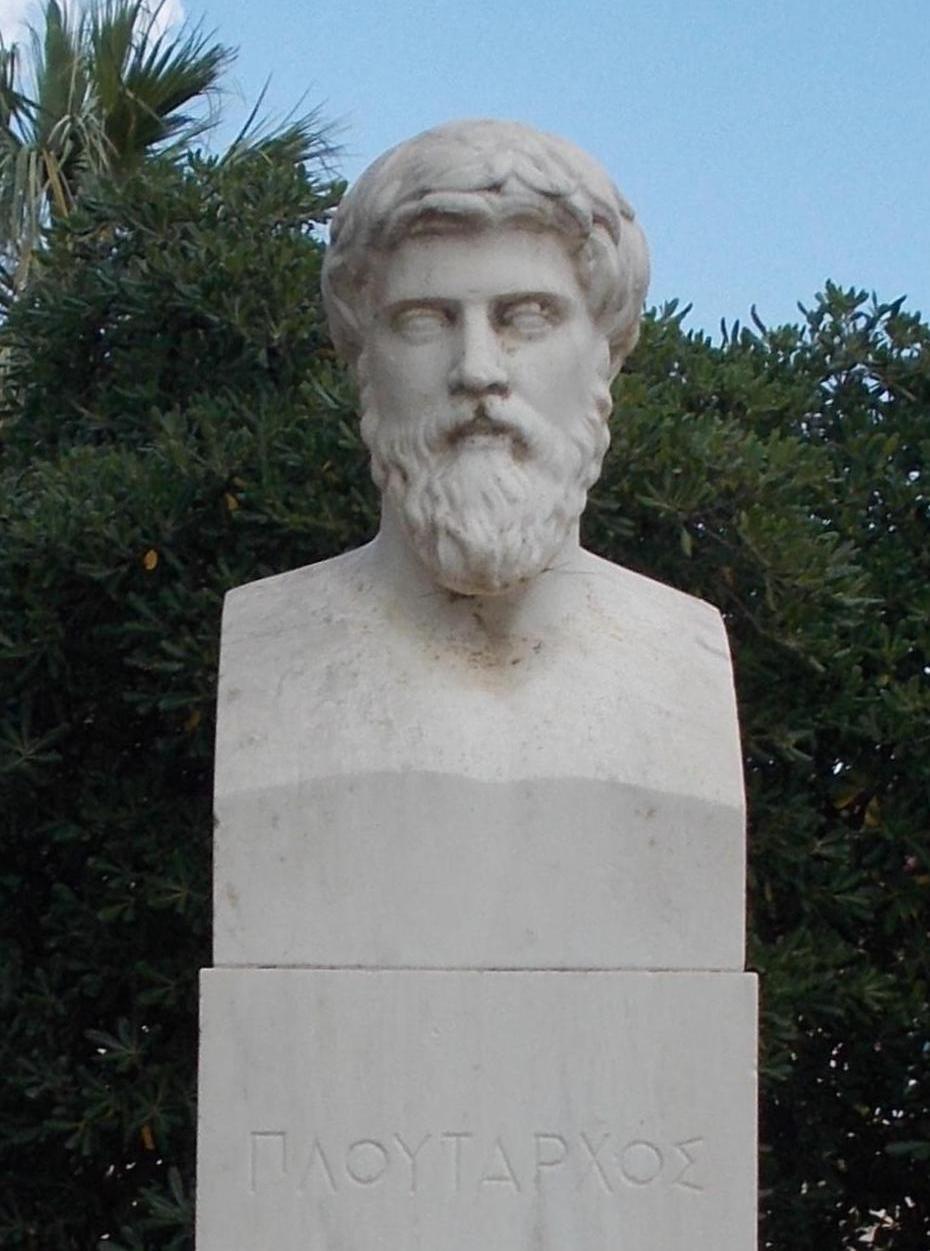

Summary
The Essays volume is a selection from the Moralia, the miscellaneous body of some seventy-eight surviving treatises attributed to Plutarch, alongside his famous Lives. Where the Lives teach ethics through the example of great men, the Moralia address readers directly, offering practical moral philosophy in the form of lectures, letters, dialogues and consolations. Plutarch writes as a Platonist with a broad, eclectic sympathy for Stoic and Peripatetic ideas, but his tone is that of a humane teacher rather than a system-builder: he is interested in how ordinary educated people can live well, control their passions, be good friends and citizens, and face misfortune. Typical essays in the selection treat how a young man should listen to lectures and take responsibility for his own learning rather than passively absorbing; how to tell a flatterer from a true friend, given that flattery imitates every outward sign of friendship; how a person can recognize genuine moral progress in himself; how to achieve tranquillity of mind by managing expectations, comparing oneself with those worse off, and not being disturbed by fortune; and why the gods may seem slow to punish wrongdoers. Plutarch's religious essays, written from his long experience as a priest at Delphi, defend a reverent but rational piety against both atheism and superstition, which he regards as a disease of fear that torments its victims even in sleep. Other essays in the wider Moralia, some included in this selection, deal with the control of anger, talkativeness, curiosity, and the education of children. One of the most personal pieces is the Consolation to his Wife, written on hearing of the death of their two-year-old daughter Timoxena while he was away from home; it praises his wife's restraint, recalls the child's sweetness, and argues from philosophy and religious belief that grief should be moderated. A dialogue on Socrates' famous daimonion, or divine sign, mixes a political narrative of the liberation of Thebes with speculation on how a god might communicate with a mind. Taken together the essays present philosophy as a therapy for the soul, much as medicine treats the body, and Plutarch frequently draws on medical analogies. Their accessible blend of anecdote, quotation and moral advice made them enormously influential in the Renaissance, especially through Jacques Amyot's French translation of 1572, which Montaigne read closely.
Plot or Argument
- Education and listening
Essays on how the young should listen to philosophy and develop independent judgement rather than passively receiving instruction.
- Friendship and flattery
How to distinguish a flatterer from a friend: the flatterer mimics friendship, and the true friend is known by frankness used tactfully.
- Moral progress and the passions
Signs that one is genuinely improving; treatments of anger, talkativeness and curiosity as habits to be trained.
- Tranquillity and fortune
Practical techniques for contentment: limiting desires, recalling past goods, and accepting what cannot be changed.
- Religion and superstition
Defences of a reasonable piety against superstition, understood as a fearful disposition, and reflections on divine justice and its delays.
- Consolation
The letter to his wife on their daughter's death, a model of the classical consolation and a personal document of grief.
Characters
- Plutarch, author and speaker
Platonist teacher and Delphic priest whose personal voice and family life appear throughout.
- Timoxena, Plutarch's wife (and daughter)
Plutarch's wife and their daughter, also named Timoxena, whose death prompts the consolation.
- Socrates, subject of a dialogue
His divine sign is discussed in the dialogue on Socrates' daimonion.
Lessons
Listening is an active art
Plutarch argues that learners should engage critically with what they hear, examining their own lives against it. Education succeeds only when the student takes responsibility for it.
- What does Plutarch think a good listener does during and after a lecture?
- Is the popular 'fire to be kindled' saying a fair summary of his view?
Flattery is a counterfeit of friendship
Because the flatterer imitates every sign of affection, the test of a friend is willingness to speak frankly for our good. The essay is a practical guide to honest feedback.
- How can frankness be offered without cruelty?
- Where do modern institutions reward flattery?
- Can a person flatter themselves?
Philosophy as care of the soul
Plutarch treats the passions as ailments that can be managed by habit and reflection. Tranquillity is presented as a skill, not a gift of fortune.
- Which of Plutarch's techniques resemble modern cognitive approaches?
- What are the limits of reason as a cure for distress?
Grief within limits
The consolation to his wife accepts grief as natural while urging restraint. It offers a classical model of mourning that modern readers may find both moving and austere.
- Does Plutarch allow enough room for sorrow?
- How does he use memory of the child as consolation?
Context
Plutarch wrote under the Roman Empire during the reigns of the Flavians, Trajan and Hadrian, when Greek culture flourished under Roman rule. He was part of a network of Greek and Roman friends to whom many essays are dedicated, and his works preserve much of earlier Greek thought that is otherwise lost.
Composition
The Moralia were not composed as a single work; the collection was assembled later from Plutarch's many writings, some of which are spurious. The ancient 'Lamprias Catalogue' lists far more titles than survive. The Robin Waterfield translation (introduced by Ian Kidd) presents a selection.
Reception
Through Amyot's French and Philemon Holland's English translation (1603), the Moralia shaped Renaissance humanism, especially Montaigne and later Emerson, who edited a revision of an old English translation.
Comparisons
- the-age-of-alexander
The Lives illustrate in narrative the virtues and vices that the Essays analyse in argument.
- on-friendship
Montaigne drew heavily on Plutarch; his essay on friendship can be read against Plutarch's treatment of friends and flatterers.
- meditations
Both offer philosophical therapy for the passions in the Roman imperial world, Plutarch as a Platonist teacher, Marcus as a Stoic writing to himself.
- the-satires-of-horace-and-persius
Horace's conversational ethics and Plutarch's essays share a practical, anecdotal approach to contentment and the follies of ambition.
- the-fall-of-the-roman-republic
Plutarch's biographies of late-Republican Romans complement the moral concerns of the essays.
Quotes
For Students
A reading companion for classical Christian high school students. See the student guide.
Reading Guide
Watch for
- The essay on listening, where Plutarch tells young students that they are responsible for what they get from a lecture. Notice his list of bad listeners and ask which one you most resemble.
- The essay on how to tell a flatterer from a friend, and Plutarch's comparisons of the flatterer to creatures that change colour to match their surroundings. Track the tests he proposes, and note that the last one is how a friend uses frank speech.
- The constant medical comparisons across the essays: passions as diseases, frankness as a medicine to be given at the right moment, the philosopher as physician of the soul.
- The essay on tranquillity of mind, with its stories of the powerful who were never content, such as Alexander weeping because he had not yet conquered even one of the worlds a philosopher said existed.
- The Consolation to his Wife, written from far away after the death of their little daughter Timoxena. Watch how Plutarch moves from tender memories of the child to the arguments by which he hopes to temper his wife's grief.
Key terms and names
- Moralia
- The traditional name for the large collection of Plutarch's essays, dialogues and letters on ethics, religion and natural questions, as distinct from his Parallel Lives. The Essays are a selection from it.
- Flatterer
- In Plutarch's essay, the false friend who imitates every outward sign of friendship in order to profit. He is dangerous because he flatters the parts of us that most need correction.
- Frankness (parrhesia)
- Free and honest speech, the true friend's chief gift. Plutarch insists it must be offered with tact and at the right time, the way a physician times a bitter remedy.
- Tranquillity (euthymia)
- Contentment of mind, the subject of Plutarch's essay addressed to a Roman friend. He presents it as a skill built by limiting desires, remembering past goods and accepting what cannot be changed.
- Superstition (deisidaimonia)
- In Plutarch's essay, a fearful attitude toward the gods that treats them as cruel and gives the sufferer no rest even in sleep. He judges it worse in some ways than unbelief.
- The delays of divine justice
- The subject of Plutarch's dialogue on why the gods seem slow to punish the wicked. He argues that delay allows time for repentance and that punishment may fall in ways men do not see.
- Consolation
- A classical genre of letter or essay offering philosophical comfort to the bereaved. Plutarch's letter to his wife on their daughter's death is one of the most personal examples.
- Delphi
- The sanctuary of Apollo where Plutarch served for many years as a priest. His religious essays come from a lifetime of practical piety as well as philosophy.
Seminar Questions
- Comprehension According to Plutarch's essay on listening, what should a young person do during and after a lecture, and what kinds of bad listeners does he describe?
- Comprehension What tests does Plutarch offer for telling a flatterer from a friend, and why is frankness the most important of them?
- Comprehension In the Consolation to his Wife, what does Plutarch remember about his daughter Timoxena, and what does he praise in his wife's conduct after the death?
- Interpretation Plutarch keeps comparing the philosopher to a physician and the passions to diseases. What does this comparison help him say about anger, grief and fear, and where might it break down?
- Interpretation Why does Plutarch think superstition can be worse than unbelief? What does his answer reveal about what he thinks true piety is?
- Interpretation Plutarch says the flatterer imitates the friend in every outward way. If that is true, why is flattery so hard to detect in our own lives, and what does Plutarch suggest we examine instead of outward signs?
- Big Question Plutarch believes reason and practice can train a person into tranquillity and moral progress. Can a person become good by habit and reflection alone, or is something more needed?
Faith Connections
- Proverbs 27:5-6 (Scripture)
Open rebuke is better than hidden love, and faithful are the wounds of a friend while the kisses of an enemy are deceitful. Plutarch's essay on the flatterer is, in effect, a long Greek commentary on these two verses.
- 1 Thessalonians 4:13-14 (Scripture)
Paul tells believers not to grieve as those who have no hope, because of the resurrection. Plutarch also urges his wife toward measured grief and appeals to the soul's survival, so the two texts make a fruitful comparison of the grounds each offers for hope.
- Acts 17:22-23 (Scripture)
At Athens Paul calls his hearers very religious, using a form of deisidaimonia, Plutarch's word for superstition. Plutarch's essay shows how that word sounded to an educated Greek of the same century, and Paul's speech offers the unknown God as the answer to such fearful worship.
- Basil the Great, Address to Young Men on Greek Literature (Church Fathers)
Basil counsels Christian students to read the pagan poets and moralists like bees, taking what is useful for virtue and leaving the rest. Plutarch's own advice on how the young should listen to lectures and weigh what they hear makes him a natural example of the reading Basil recommends.
Logic and Rhetoric
Central argument: The passions, such as anger, fear, grief and the craving for praise, disorder the soul as disease disorders the body. Just as health is restored by a physician's regimen, the soul is restored by philosophy applied through habit, self-examination and the help of frank friends. Therefore an ordinary educated person can make real moral progress and reach tranquillity, not by escaping fortune, but by training the judgments and desires with which he meets it.
Rhetorical device: extended analogy (medicine of the soul). In the essay on the flatterer and the friend, Plutarch treats frank speech as a medicine that must be given in the right dose and at the right time, like a physician's bitter draught, and warns against using it to wound rather than heal. The analogy turns a question of manners into a question of care for another person's health.
Debate: Resolved: A true friend should correct our faults even at the risk of the friendship.
Writing Prompts
Essay: Plutarch treats philosophy as a practical therapy for ordinary life. Using the essays on listening, on the flatterer and the friend, and on tranquillity of mind, argue what Plutarch thinks a person must do to make genuine moral progress, and whether his program is realistic.
Comparison with Meditations: Plutarch the Platonist teacher and Marcus Aurelius the Stoic emperor both offer philosophy as care of the soul in the Roman imperial world, one writing to friends and students and the other only to himself. Compare their counsel on managing grief and the desire for praise, and argue which offers the more humane guidance.
Medical Lens
Plutarch's moral essays are a classic instance of philosophy conceived as therapy of the soul, and they repeatedly borrow the language of medicine: passions as diseases, the philosopher as physician, regimen as moral training. His essay on superstition describes it as a state of anxious fear that pursues the sufferer even in dreams, which modern readers may compare with anxiety disorders, though the comparison should be made cautiously. The Consolation to his Wife is a primary document in the history of grief and of ancient attitudes to child mortality. The wider Moralia also include a treatise of advice on keeping well (diet, exercise, moderation for scholars), which is an important source on Greco-Roman lay hygiene; check whether it is in this selection before citing it from this edition.
- Consolation to his Wife
Plutarch's letter on the death of their two-year-old daughter, urging moderated mourning and describing his wife's composure.
- On Superstition (Moralia)
Superstition analysed as fear that gives no rest, intruding into sleep and dreams, worse than atheism.
- On Tranquillity of Mind
Techniques for contentment: reframing misfortune, comparing oneself with others, and cultivating gratitude for past goods.
- Advice about Keeping Well (Moralia; may not be in this selection)
A dialogue of health advice on diet, exercise and moderation, especially for intellectual workers.
- On Socrates' Personal Deity
Speculation on how Socrates' inner divine sign communicated with him, a classical discussion of voices and inner signs.
Creative Prompts
- Essay
Write a modern 'How to tell a flatterer from a friend' for the age of social media.
- Dialogue
Imagine Plutarch's wife replying to his consolation letter.
Further Reading
- Essays, Michel de Montaigne
The most famous Renaissance reader of the Moralia.
- The Therapy of Desire, Martha C. Nussbaum
On Hellenistic philosophy as medicine for the soul.
- Philosophy as a Way of Life, Pierre Hadot
- Plutarch, D. A. Russell
Verification notes
The general character of the Moralia and the essays named are well established. The exact contents of this selection are not certain from memory, so the plot sections describe representative essays rather than a definitive table of contents. No quotations are included because I cannot reproduce a public-domain translation verbatim with confidence.
- Exact table of contents of the Essays selection (trans. Waterfield).
- Whether 'Advice about Keeping Well' and 'On Superstition' are included in this selection.
- The popular saying 'the mind is not a vessel to be filled but a fire to be kindled' is a loose paraphrase of On Listening (Moralia 48c), not a verbatim line; do not quote it as Plutarch's words.
- Age of the daughter Timoxena at death (recalled as two).