Work record
Sermons on Several Occasions and Primitive Physick
1746-1790 · 18th Century · Sermons · English
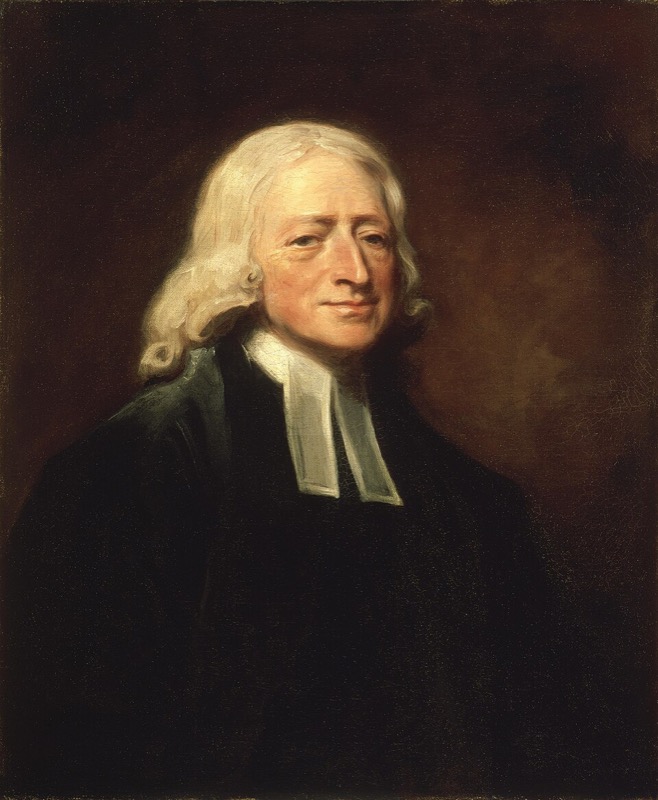
.jpg)
Summary
Wesley's Sermons on Several Occasions and Primitive Physick make an unusually strong pairing for a medical classics library. The sermons define Methodist teaching on salvation, new birth, sanctification, practical holiness, the means of grace, Christian perfection, money, self-denial, and social responsibility. Wesley is intensely practical. He wants doctrine to become disciplined life through classes, bands, prayer, fasting, visiting the sick, mutual examination, and works of mercy. Primitive Physick extends that practical impulse into bodily care. It offers plain remedies for common ailments, urging simplicity, accessibility, temperance, cleanliness, exercise, and attention to the poor. Some remedies now look harmlessly commonsensical; others are ineffective or dangerous by later clinical categories. Historically, the book belongs to a world before modern professional medicine was accessible to many working people. Wesley's medical advice should not be treated as current guidance, but it is invaluable for understanding eighteenth-century popular medicine, self-care, and pastoral health. The sermons and medical manual together reveal a mind that refuses to divide soul from body. Wesley's Methodism organized emotional conversion, moral discipline, physical visitation, and practical relief into one program of care. His revival context also raised controversies over enthusiasm, fainting, trembling, and religious emotion, yet Wesley tried to channel experience into habit and service. Compared with Edwards, he is less metaphysical; compared with Whitefield, more organizational; compared with Rush, less professional but more popular. The medical lens is therefore high. Wesley links salvation, behavior, poverty, health, and community in ways that anticipate later public-health and social-medicine concerns, while also preserving the limits of premodern therapeutics. The pairing shows evangelical religion as a system of embodied practice: conversion is not merely a feeling, and health is not merely a private possession. Bodies, souls, and societies are treated together in disciplined care. That union gives Wesley a rare place between preacher and lay medical reformer.
Plot or Argument
- Methodist doctrine becomes practice
The sermons turn justification, new birth, and holiness into routines of prayer, discipline, mutual accountability, and service.
- Primitive Physick democratizes remedies
Wesley offers accessible medical advice for lay readers who may lack physicians or money for professional care.
- Care joins body and soul
The combined corpus treats sickness, poverty, spiritual distress, and moral habit as connected fields of pastoral attention.
Lessons
Practical care can be theological
Wesley makes bodily visiting, advice, discipline, and relief part of religious life. Care is not an appendix to doctrine but one of its tests.
- How does Wesley connect holiness and health?
- What should modern readers do with outdated remedies?
Organization channels emotion
Methodism did not rely on conversion feeling alone. Wesley built structures that turned awakening into habits, accountability, and service.
- Why does revival need organization?
- How do groups shape emotional life?
Popular medicine reveals social need
Primitive Physick exists because many people lacked reliable care. Its limitations matter, but so does its attempt to make health knowledge available.
- What health inequalities does Wesley's manual expose?
- How does self-care differ before professional biomedicine?
Context
Wesley's writings belong to eighteenth-century evangelical revival, Anglican controversy, growing print culture, and a medical world where lay remedies and professional care overlapped.
Composition
The sermons were published across Wesley's long ministry. Primitive Physick first appeared in 1747 and went through many editions.
Reception
The sermons became doctrinal standards for Methodism, while Primitive Physick became one of Wesley's most widely circulated practical books.
Comparisons
- de-materia-medica
Dioscorides preserves ancient pharmacological knowledge, while Wesley offers eighteenth-century household medicine for ordinary readers.
- medical-inquiries-and-observations-upon-diseases-of-the-mind
Rush represents professionalizing American medicine; Wesley represents pastoral and popular medicine before modern specialization.
- whitefield-selected-sermons
Whitefield supplies itinerant evangelical fire, while Wesley builds disciplined societies and practical care systems.
Quotes
For Students
A reading companion for classical Christian high school students. See the student guide.
Reading Guide
Watch for
- Sermon 2, The Almost Christian, on Agrippa's words in Acts 26:28, where Wesley lists everything an almost Christian may do, honesty, outward worship, even sincerity, before naming the love of God and neighbor that is still missing.
- Sermon 50, The Use of Money, with its three plain rules to gain all you can, save all you can, and give all you can, and the limits Wesley sets on gaining: never at the cost of your own health or your neighbor's.
- Sermon 37, The Nature of Enthusiasm, where Wesley separates genuine religious experience from imagined inspiration, a distinction pressed on him by critics who called Methodists enthusiasts.
- Sermon 39, Catholic Spirit, on Jehu's question to Jehonadab in 2 Kings 10:15, where Wesley offers fellowship to anyone whose heart is right with his own without requiring agreement in every opinion.
- The preface to Primitive Physick, where Wesley explains how medicine grew complicated and expensive, sets out rules about air, diet, sleep, exercise, and the passions, and calls the love of God a powerful aid to health.
Key terms and names
- New birth
- The inward change by which the Holy Spirit renews a person in the image of God, the subject of Sermon 45 on John 3:7. Wesley treats it as the beginning of sanctification, not its end.
- Christian perfection
- Wesley's teaching, in Sermon 40, that a believer may be made perfect in love in this life. He insists it does not mean freedom from ignorance, mistakes, infirmity, or temptation.
- Means of grace
- The outward channels through which God ordinarily conveys grace, chiefly prayer, searching the Scriptures, and the Lord's Supper, as Sermon 16 explains. Wesley defends them against those who thought waiting on God meant neglecting them.
- Enthusiasm
- In the eighteenth century, a charge of claiming private divine inspiration or acting on religious frenzy. Wesley's sermon on the subject accepts that such delusion exists while denying that Methodist experience is an example of it.
- Societies, classes, and bands
- The small groups into which Wesley organized Methodists for mutual examination, prayer, and accountability. They turned the emotion of conversion into weekly habits and gave Methodists a network for visiting the sick and poor.
- Primitive Physick
- Wesley's book of plain remedies, first published in 1747, arranged by ailment for readers who could not afford physicians. Its remedies range from sensible rules of diet and exercise to cures that later medicine abandoned.
- Catholic spirit
- In Sermon 39, a heart enlarged toward all who love God, joined to firm convictions of one's own. Wesley distinguishes it from indifference to doctrine, which he calls the opposite of a catholic spirit.
Seminar Questions
- Comprehension In The Almost Christian, what can an almost Christian do, and what does Wesley say is still missing?
- Comprehension What are the three rules of The Use of Money, and what limits does Wesley place on the first?
- Comprehension In the preface to Primitive Physick, how does Wesley explain why medicine became complicated, and what habits does he recommend to keep the body well?
- Interpretation Why did the leader of a revival need to distinguish so carefully in The Nature of Enthusiasm between real religious experience and imagined inspiration?
- Interpretation Wesley includes exercise, sleep, diet, and the passions in a book of remedies. What does this choice show about how he understood the relation of body and soul?
- Interpretation In Catholic Spirit Wesley offers his hand to anyone whose heart is right with his, without demanding agreement on opinions or modes of worship. What does he hold as essential, and what does he let go?
- Big Question Wesley treated preaching, visiting the sick, and handing out remedies as parts of one ministry. Is care for the body part of the Church's own work, or a separate task the Church may assist?
Faith Connections
- Acts 26:28 (Scripture)
Agrippa's reply to Paul, that he is almost persuaded to be a Christian, is the text of Sermon 2. Wesley preached it at Oxford in 1741 to a university audience that he believed was almost, but not altogether, Christian.
- Matthew 25:31-46 (Scripture)
In the judgment of the nations, Christ counts visits to the sick and the imprisoned as done to himself. Wesley's Methodists visited the sick as a rule of their societies, and Primitive Physick extends the same visit into the household of anyone who owned a copy.
- Basil the Great and the Basileias at Caesarea (c. 370) (Church Fathers)
Basil built a complex outside Caesarea where the sick, the poor, and travelers were housed and treated, joining pastoral and medical care under a bishop's direction. Wesley's pairing of sermons with a manual of remedies belongs to the same old tradition of the pastor as physician of body as well as soul.
- Wesley, Sermon 53, On the Death of the Rev. Mr. George Whitefield (1770) (Great Conversation)
Wesley and Whitefield had divided over predestination, yet Wesley preached the London funeral sermon for his old friend. The sermon shows the catholic spirit of Sermon 39 tested by real disagreement between two leaders of the same revival.
Logic and Rhetoric
Central argument: True religion is not outward correctness or right opinion but the love of God and neighbor poured into the heart through faith. Such love must show itself in disciplined habits and in works of mercy, including care for the sick and the poor. Many poor people of Wesley's day had no access to a physician. Therefore a minister of the gospel may rightly publish plain, cheap remedies and rules of health as part of the same ministry that preaches the new birth, since both serve the whole person whom God made and redeems.
Rhetorical device: tricolon. Sermon 50, The Use of Money, is built on three parallel rules, gain all you can, save all you can, give all you can. The first two seem to praise thrift and industry, and only the third reveals that they exist for the sake of giving.
Debate: Resolved: Primitive Physick did its eighteenth-century readers more good than harm.
Writing Prompts
Essay: Wesley's sermons and Primitive Physick were written by the same man for many of the same readers. Using The Almost Christian or The Use of Money together with the preface to Primitive Physick, argue how Wesley's theology of love shapes his advice about the body.
Comparison with Selected Sermons: Wesley and Whitefield both preached on Agrippa's words in Acts 26:28 under the title The Almost Christian. Compare the two sermons, their account of what the almost Christian lacks and their way of pressing the hearer, and argue what the difference reveals about the two men's ministries.
Medical Lens
Wesley is directly relevant because Primitive Physick is a popular medical manual and the sermons integrate spiritual care with bodily visitation and discipline. The remedies need historical framing and should never be presented as modern advice.
- Primitive Physick, preface and remedy lists
Wesley promotes simple remedies and access for the poor, revealing eighteenth-century lay medicine and its hazards.
- Sermons on works of mercy
Visiting the sick and caring for bodies become duties within Methodist holiness.
Creative Prompts
- Essay
Read Primitive Physick as an early popular-health project shaped by pastoral urgency and medical limitation.
- Dialogue
Have Wesley discuss outdated remedies with a modern primary-care physician serving a poor community.
Further Reading
Verification notes
The Methodist sermon corpus, Primitive Physick date, and medical significance are secure. No remedy should be quoted or recommended without historical framing.
- Verify exact edition if adding remedy quotations from Primitive Physick.