Work record
My Ántonia
1918 · Early 20th Century · Novel · English
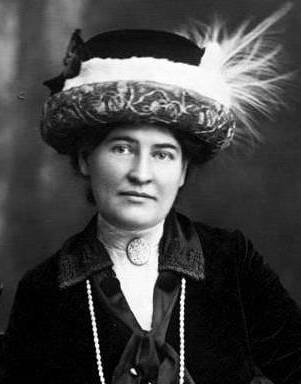
.jpg)
Summary
My Ántonia is presented as a memoir written by Jim Burden, a successful New York railroad lawyer, about a Bohemian girl he knew in his Nebraska childhood; a brief introduction by an unnamed friend frames his manuscript. Orphaned at ten, Jim travels from Virginia to live with his grandparents on the prairie near the town of Black Hawk. On the same train is the Shimerda family, Bohemian immigrants who have been swindled into buying a poor homestead and live in a dugout. Jim befriends the eldest daughter, Ántonia, a few years older than he, teaches her English and shares adventures, including killing a giant rattlesnake. The first winter is brutally hard. Mr Shimerda, a gentle, cultured musician devastated by homesickness and poverty, shoots himself in the barn, and because he is a suicide the community debates where he can be buried; he is laid at a crossroads. Ántonia works in the fields like a man under her harsh brother Ambrosch. In Book II, Jim's grandparents move to Black Hawk, and Ántonia becomes a 'hired girl' for their neighbours, the Harlings. The immigrant hired girls, Ántonia, Lena Lingard, Tiny Soderball and others, are lively, hard-working and looked down on by the town's genteel families, though the young men are drawn to them at the dancing pavilion. Ántonia takes a place with the lecherous moneylender Wick Cutter, and Jim, sleeping in her bed to protect her, is attacked by Cutter. In Book III, Jim studies at the University of Lincoln under the inspiring Gaston Cleric and reads Virgil, and enjoys a romance with Lena, now a successful dressmaker. In Book IV he learns that Ántonia was seduced and abandoned by a railway conductor, Larry Donovan, and returned home pregnant, giving birth alone; she raises her daughter with dignity. Jim, about to leave for law school in the East, visits her and promises to return. Twenty years pass. In Book V, Jim, in an unhappy marriage, at last returns to find Ántonia married to a Bohemian farmer, Anton Cuzak, mother of a large, joyful family on a flourishing farm. Worn by work but radiant, she seems to him a rich mine of life, and Jim reflects that whatever they had missed, they possess together the incommunicable past.
Plot or Argument
- Introduction
An unnamed friend meets Jim Burden on a train and receives his manuscript about Ántonia.
- Book I: The Shimerdas
Jim's arrival on the prairie, friendship with Ántonia, the hard winter, Mr Shimerda's suicide and burial.
- Book II: The Hired Girls
Life in Black Hawk, the immigrant girls, the dances, Blind d'Arnault, and the Wick Cutter episode.
- Book III: Lena Lingard
Jim at the university, his teacher Gaston Cleric, and his romance with Lena.
- Book IV: The Pioneer Woman's Story
Ántonia's betrayal by Larry Donovan, her return and the birth of her daughter; Jim's farewell.
- Book V: Cuzak's Boys
Twenty years later Jim visits Ántonia and her large family on their farm.
Characters
- Jim Burden, narrator
Orphaned boy turned lawyer whose memories idealise Ántonia and the prairie.
- Ántonia Shimerda, title character
Bohemian immigrant girl whose resilience and vitality embody the frontier.
- Mr Shimerda, Ántonia's father
Gentle, homesick musician who takes his own life in the first winter.
- Ambrosch Shimerda, Ántonia's brother
Hard, grasping elder son who works Ántonia in the fields.
- Lena Lingard, hired girl
Beautiful Norwegian girl who becomes a successful dressmaker and Jim's romantic friend.
- Mrs Harling, neighbour
Energetic, warm matriarch who employs Ántonia in Black Hawk.
- Wick Cutter, moneylender
Lecherous usurer who plots against Ántonia.
- Gaston Cleric, Jim's teacher
Classics scholar who awakens Jim's love of Virgil.
- Anton Cuzak, Ántonia's husband
Good-humoured Bohemian farmer with whom Ántonia builds a family.
Lessons
Memory shapes and idealises
Jim's portrait of Ántonia tells us as much about his nostalgia as about her. The novel invites readers to see how memory creates meaning, and what it leaves out.
- Why is the title 'My' Ántonia?
- What does Jim fail to see about Ántonia's life?
Immigrants built the land
The hired girls and their families, scorned by the town, prove the strongest and most creative. Cather honours immigrant labour and resilience.
- How does Black Hawk treat the hired girls?
- Why do the girls succeed where the town's daughters do not?
- What does the novel say about assimilation?
Hardship and despair on the frontier
Mr Shimerda's suicide shows the cost of emigration for those who cannot adapt. The novel acknowledges the frontier's casualties alongside its triumphs.
- What drove Mr Shimerda to despair?
- How does the community respond to his death?
Context
The novel draws on Cather's own childhood near Red Cloud, Nebraska, in the 1880s, when Czech, Scandinavian, German and Russian immigrants homesteaded the Great Plains under the Homestead Act. Ántonia was modelled on Annie Pavelka (née Sadilek), whose father, like Mr Shimerda, killed himself.
Composition
Written in 1916–1917 and published by Houghton Mifflin in 1918 with illustrations by W. T. Benda. Cather revised the introduction for the 1926 edition, shortening it considerably.
Reception
Praised by H. L. Mencken and others, it established Cather's reputation and is regarded as one of the great American novels of the frontier. Feminist and queer readings have explored Jim's narrative voice and Cather's relation to her material.
Comparisons
- little-women
Both are American novels of girls becoming women through hard work and loss, valuing domestic strength.
- east-of-eden
Both are regional epics of settlers in the American West, mixing family saga with landscape.
- ceremony
Both connect identity and healing to land: Cather through immigrant homesteaders on the Nebraska prairie, Silko through Laguna Pueblo story and the New Mexico landscape.
- persuasion
Both look back on love that might have been, with a narrator or heroine reflecting on time and loss.
- the-odyssey
Jim's return to Ántonia after twenty years echoes the homecoming structure of epic, and Virgil frames Jim's university studies.
Quotes
Frequently cited
“Whatever we had missed, we possessed together the precious, the incommunicable past”
“There was nothing but land: not a country at all, but the material out of which countries are made”
“I was something that lay under the sun and felt it, like the pumpkins, and I did not want to be anything more. I was entirely happy”
“Perhaps that is what we feel when we die and become a part of something entire, whether it is sun and air, or goodness and knowledge.”
For Students
A reading companion for classical Christian high school students. See the student guide.
Reading Guide
Watch for
- The introduction, where an unnamed friend receives Jim Burden's manuscript and Jim adds the word My to its title. Keep asking throughout whether you are seeing Ántonia herself or Jim's memory of her.
- Jim's first night ride across the prairie in Book I, Ch. 1, and his afternoon in his grandmother's garden in Ch. 2. These early moments set the land up as almost a character in the book.
- Mr Shimerda's death in the first winter and the debate over where a suicide may be buried. Notice who prays at the grave, and where the grave finally lies.
- The picnic near the end of Book II, when the girls and Jim watch a plough standing out black and enormous against the setting sun before it shrinks back to ordinary size.
- Jim's study of Virgil with Gaston Cleric in Book III, and his return to the Cuzak farm twenty years later in Book V, where he finds Ántonia surrounded by her children and her orchard.
Key terms and names
- Black Hawk
- The small Nebraska railroad town where Jim's grandparents move in Book II. Its genteel families look down on the immigrant hired girls whom their sons secretly admire.
- Hired girls
- The daughters of immigrant farmers, including Ántonia, Lena Lingard, and Tiny Soderball, who work in town households in Book II to help their families. Cather presents them as the most vital people in the book.
- Bohemian
- A Czech from Bohemia, then part of the Austrian empire. The Shimerdas and Anton Cuzak are Bohemians, Catholic, and Czech-speaking, which sets them apart from their Protestant American neighbors.
- Dugout
- The cave-like shelter dug into a draw where the Shimerdas live their first winter. It is a sign of how poorly they were treated when they bought their homestead.
- Pavel and Peter
- The two Russian men in Book I whose terrible story of a wedding party pursued by wolves in winter reaches Jim through Ántonia's retelling. It brings the old world's sorrows onto the prairie.
- Gaston Cleric
- Jim's teacher at the university in Lincoln in Book III, who brings Virgil to life for him. Through Cleric, Jim sees that Virgil too wrote of bringing the Muse to his own country.
- Optima dies... prima fugit
- The Latin epigraph from Virgil's Georgics, meaning roughly that the best days are the first to flee. It sets the novel's tone of looking back on youth with love and loss.
Seminar Questions
- Comprehension How do the Shimerdas come to be living in a dugout on poor land in Book I, and how do the Burdens help them through their first winter?
- Comprehension What happens at Wick Cutter's house in Book II, and why is Jim the one sleeping in Ántonia's bed?
- Comprehension What does Jim find when he returns to Ántonia after twenty years in Book V, and how has her life turned out since Larry Donovan abandoned her?
- Interpretation Jim calls the prairie not a country at all but the material out of which countries are made. How does that sentence describe the people in the book as well as the land?
- Interpretation Why does Cather give Book III to Lena Lingard and Jim's university life rather than to Ántonia? What does Ántonia's absence from that book show about Jim?
- Interpretation The plough against the sunset at the end of Book II is magnified for a moment and then shrinks. What does this image say about memory and about the pioneer life Jim is remembering?
- Interpretation Mr Shimerda is buried at a crossroads, and Jim later notes that the roads curve around his grave. What does the community's treatment of his grave reveal about its mercy and its limits?
- Big Question Jim has success in the city and Ántonia has a hard life on a farm, yet Jim seems to envy her at the end. What makes a life truly rich?
Faith Connections
- Ruth 1-4 (Scripture)
Ruth is a foreign woman who leaves her homeland, works in the harvest fields, and through faithfulness founds a family. Ántonia, the immigrant girl who works in the fields and becomes the mother of a large household, walks a similar path from hardship to fruitfulness.
- Psalm 103:15-17 (Scripture)
The psalmist says that man's days are as grass, flourishing like a flower of the field and then gone, but that the mercy of the Lord is from everlasting to everlasting. Jim's elegy for the vanished prairie of his youth feels the first half of the psalm keenly.
- Augustine, Confessions X (Church Fathers)
Augustine marvels at the vast storehouse of memory, where past places and loves are kept and can be called up again. Jim's closing claim that he and Ántonia possess together the incommunicable past is a meditation on the same mystery, though Jim stops where Augustine goes on to seek God within memory.
Logic and Rhetoric
Central argument: The prairie of Jim's childhood was raw material, and the immigrant families who broke it, above all Ántonia, were the ones who made it a country. Jim left for success in the city, but success did not give him what Ántonia's hard, faithful life on the land gave her: children, rootedness, and joy. Therefore what Jim most values is not what he achieved but what he shared with Ántonia in youth, and the best days, though they flee first, can still be possessed in memory.
Rhetorical device: frame narrative. The introduction presents the whole novel as Jim Burden's manuscript, handed to an unnamed friend on a train, and has Jim add the word My to the title. Everything after is filtered through Jim's admiring, nostalgic eye, so the reader must weigh what Ántonia is against what Jim needs her to be.
Debate: Resolved: Jim Burden's life is a failure compared with Ántonia's.
Memory Work
There was nothing but land: not a country at all, but the material out of which countries are made
Whatever we had missed, we possessed together the precious, the incommunicable past
Writing Prompts
Essay: Cather tells Ántonia's story entirely through Jim Burden's memories. Using the introduction, Book III, and Book V, argue whether Jim understands Ántonia or chiefly uses her as a symbol of his own lost youth, and what Cather gains by telling the story this way.
Comparison with The Aeneid: Jim reads Virgil under Gaston Cleric and comes to see that Virgil wanted to bring the Muse to his own country. Compare the founding of a people in the Aeneid with the founding of the Nebraska farm country in My Ántonia, and argue what each work sees as the true cost and glory of founding.
Medical Lens
Mr Shimerda's suicide in the first winter is one of American literature's most sensitive portrayals of an immigrant's despair: poverty, cold, hunger, isolation from his culture and music, and grief for his homeland. The community's debate over burying a suicide reflects religious prohibitions of the time. Book I also includes Pavel's deathbed (he coughs blood and confesses the story of the wolves), the near-starvation of the Shimerdas, and in Book II a tramp who throws himself into a threshing machine. Ántonia's unsupported childbirth in Book IV and the blind pianist d'Arnault, whose musical genius is set against disability and racial prejudice, add further material. Modern discussion of migration-related depression can be prompted by these episodes, but they should be presented as literary portraits.
- Book I (Russian Peter and Pavel chapters)
Pavel, ill and coughing blood, tells the story of the bride thrown to the wolves before dying.
- Book I (first winter)
The Shimerdas' hunger and hardship in the dugout; Mr Shimerda's homesickness and withdrawal.
- Book I (c. Ch. 14–16)
Mr Shimerda shoots himself in the barn; the inquest, the debate over burial and the crossroads grave.
- Book II
Ántonia tells of a tramp who jumped into a threshing machine.
- Book II
The blind Black pianist Samson d'Arnault performs at the hotel.
- Book IV
Ántonia, abandoned by Larry Donovan, gives birth alone at home.
Creative Prompts
- Fiction
Retell the first winter from Ántonia's point of view.
- Essay
Compare the 1918 and 1926 introductions. How does the frame change our view of Jim?
- Classroom
Track Virgil in the novel. Why does Cather give Jim Virgil's 'optima dies... prima fugit'?
Further Reading
- O Pioneers!, Willa Cather
- Willa Cather: The Emerging Voice, Sharon O'Brien
- Georgics, Virgil
Source of the novel's epigraph.
Verification notes
Plot, structure and the Pavelka background are well established. Quotes are widely cited and believed verbatim. Chapter numbers in Book I for the suicide are approximate.
- Chapter numbers for Mr Shimerda's suicide and burial in Book I.
- Whether the tramp-in-the-threshing-machine story is in Book II.
- Chapter for the closing line (given as Book V, Ch. 3).
- Exact gravestone inscription at Jaffrey, New Hampshire.